The Hidden Guardians of Great Barrier Reef Health
Picture this: It's peak wet season in Far North Queensland. Rain hammers the landscape for days, washing across sugarcane fields and cattle paddocks before collecting in the natural depressions scattered throughout the countryside. These seasonal wetlands might look unremarkable from the road, but they're actually powerful guardians of the Great Barrier Reef.
The secret doesn't just lie in the wetlands themselves—it's in the protective rings of vegetation that should surround them. These wetland buffer zones represent one of our most overlooked opportunities to protect reef health whilst supporting thriving rural communities.
The Natural Shield We've Lost
Wetland buffer areas are the bands of native vegetation that naturally occur around swamps, seasonal pools, and freshwater marshes throughout the Wet Tropics. Imagine them as nature's security perimeter—designed to protect wetlands from the intensive land use that surrounds them.
In Far North Queensland's agricultural heartland, these buffers once formed intricate networks spanning from the Barron River near Cairns down to the Tully River. During the wet season, they slowed rushing water and captured sediments. During the dry season, they provided wildlife corridors and refuge habitat for everything from cassowaries to crocodiles.
But decades of land clearing for agriculture have stripped away most of these protective barriers. Today, many wetlands sit exposed in seas of crops and pasture, with agricultural runoff flowing directly into sensitive ecosystems before making its way through the Herbert, Johnstone, and other major rivers to reef waters.
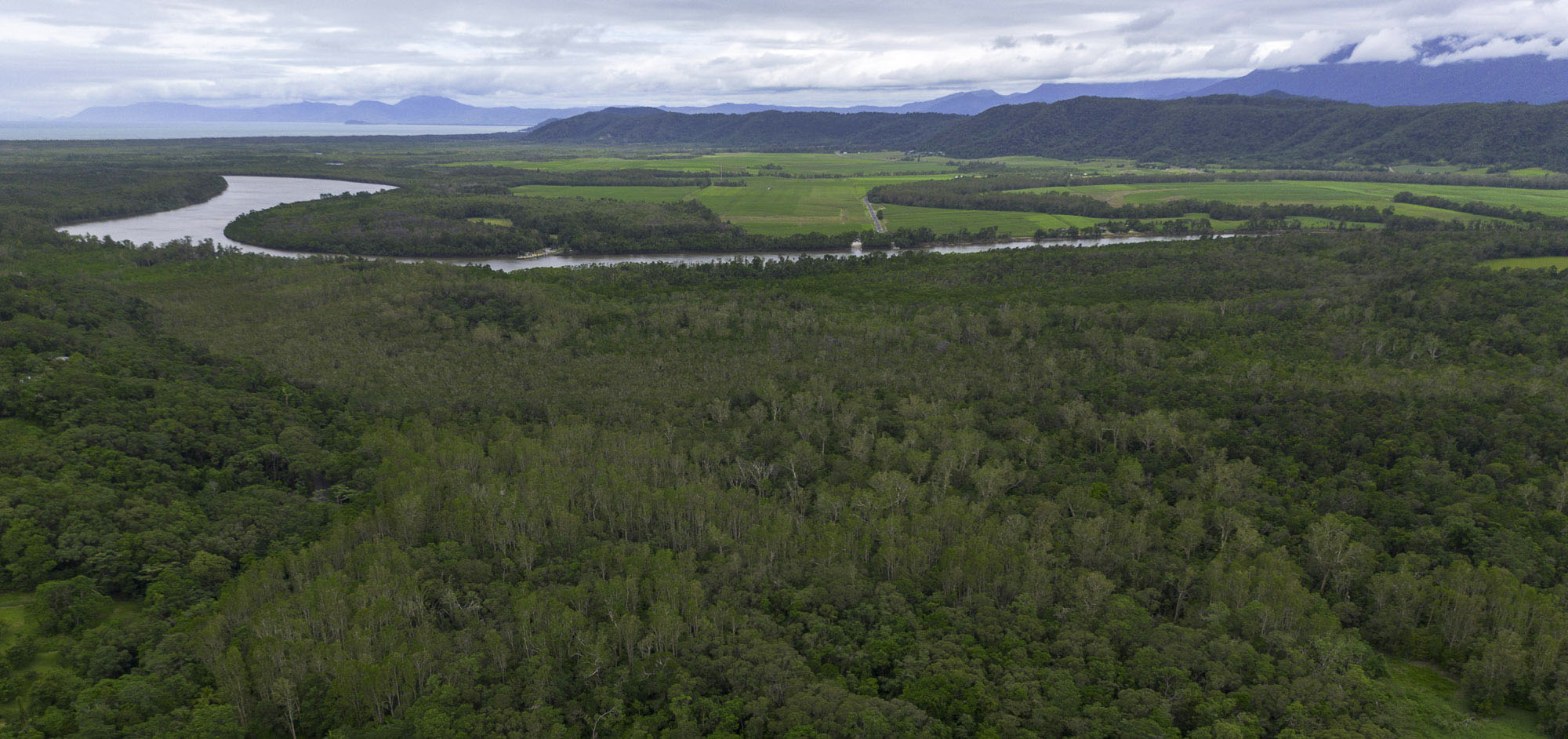
Aerial view of Wetlands in Forest Creek in the Daintree.
Nature's Advanced Water Treatment
Every wet season tells the same critical story across the Wet Tropics: millions of litres of water flow from agricultural lands towards the Great Barrier Reef. Whether that water carries life-giving nutrients or reef-damaging pollution depends largely on what surrounds our inland wetlands.
The Pollution Prevention System
Restored wetland buffers operate like sophisticated water treatment facilities working around the clock:
- Sediment capture: Buffer vegetation dramatically slows water flow, allowing soil particles to settle before reaching wetland centres
- Nutrient absorption: Native grasses and shrubs actively uptake excess nitrogen and phosphorus—the main drivers of harmful algal blooms that stress coral reefs
- Chemical breakdown: Plant roots and soil microbes neutralise agricultural chemicals before they can impact aquatic ecosystems
The Environmental Protection Act sets strict water quality standards for Great Barrier Reef catchments, and research shows that well-designed wetland buffers can reduce sediment loads by up to 90% and slash nutrient runoff that would otherwise flow to Ramsar-listed wetlands like Bowling Green Bay and eventually stress coral reefs.
Wildlife Highways and Havens
Wetland buffers support extraordinary biodiversity, creating habitat mosaics that cater to species with complex needs:
- Waterbirds like the Magpie Goose and Australian White Ibis rely on buffer vegetation for nesting sites and protection
- Threatened species including the Southern Cassowary and Estuarine Crocodile—both protected under federal legislation—use wetland corridors for movement between forest fragments
- Amphibians such as endangered frogs need both aquatic breeding sites and terrestrial buffer habitat to complete their lifecycles
Under the Nature Conservation Act, landowners can access voluntary conservation agreements and incentive programs to restore habitat for these protected species whilst maintaining productive agricultural operations.
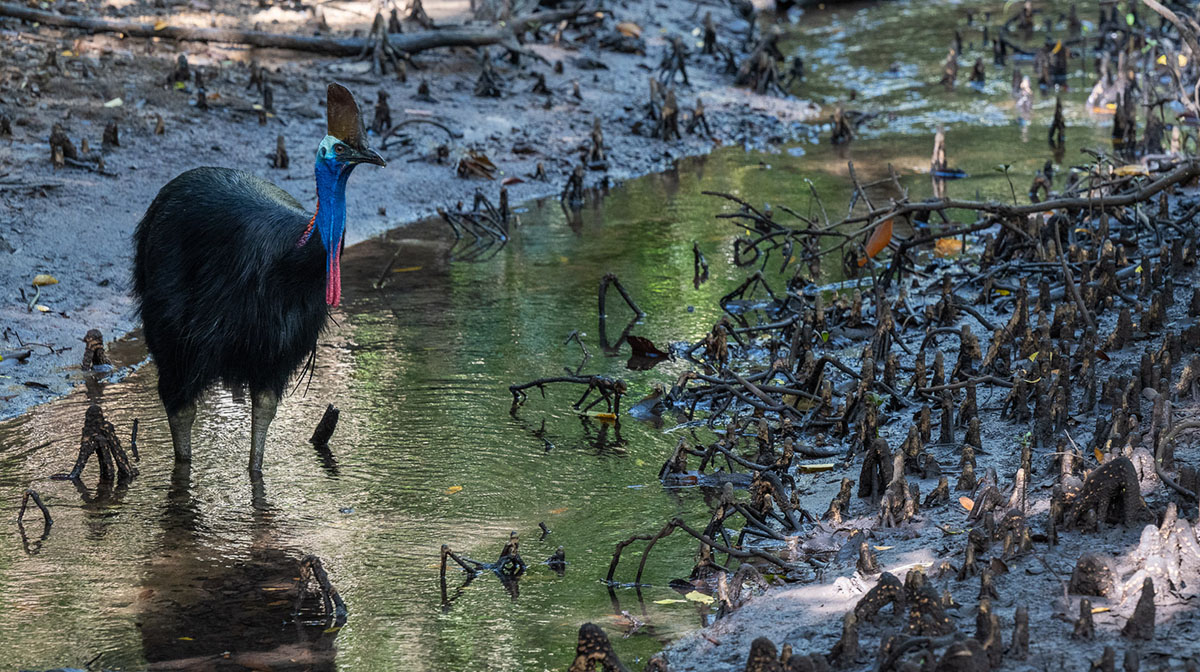 Wetlands are essential habitat for the Endangered Southern Cassowary.
Climate-Smart Infrastructure
As extreme weather becomes more common, wetland buffers provide natural infrastructure recognised under both the Reef 2050 Long-Term Sustainability Plan and local planning schemes:
- Flood management: Buffer vegetation absorbs and slows flood waters, protecting both wetlands and surrounding farmland—critical as the Planning Act increasingly recognises natural flood management
- Drought resilience: Deep-rooted native plants maintain soil moisture and support groundwater recharge
- Carbon storage: Restored vegetation captures carbon in both plant biomass and soils, contributing to Australia's climate commitments
- Temperature regulation: Wetland buffers create cooler microclimates that benefit both wildlife and agricultural productivity
Smart Economics for Rural Communities
Wetland buffer restoration isn't just environmental policy—it delivers real economic benefits recognised by government programs and market systems.
Farm-Level Benefits That Pay Off
- Lower input costs: Natural pest control and erosion protection reduce expensive chemical and fertiliser needs
- Improved soil health: Buffer vegetation prevents topsoil loss and enhances water retention
- Government funding access: The Queensland Reef Water Quality Program provides substantial funding for restoration projects, stock exclusion fencing, and whole-of-property planning
Market premiums: Reef Certification, EcoBiz, and the emerging Nature Repair Market reward sustainability credentials with premium access
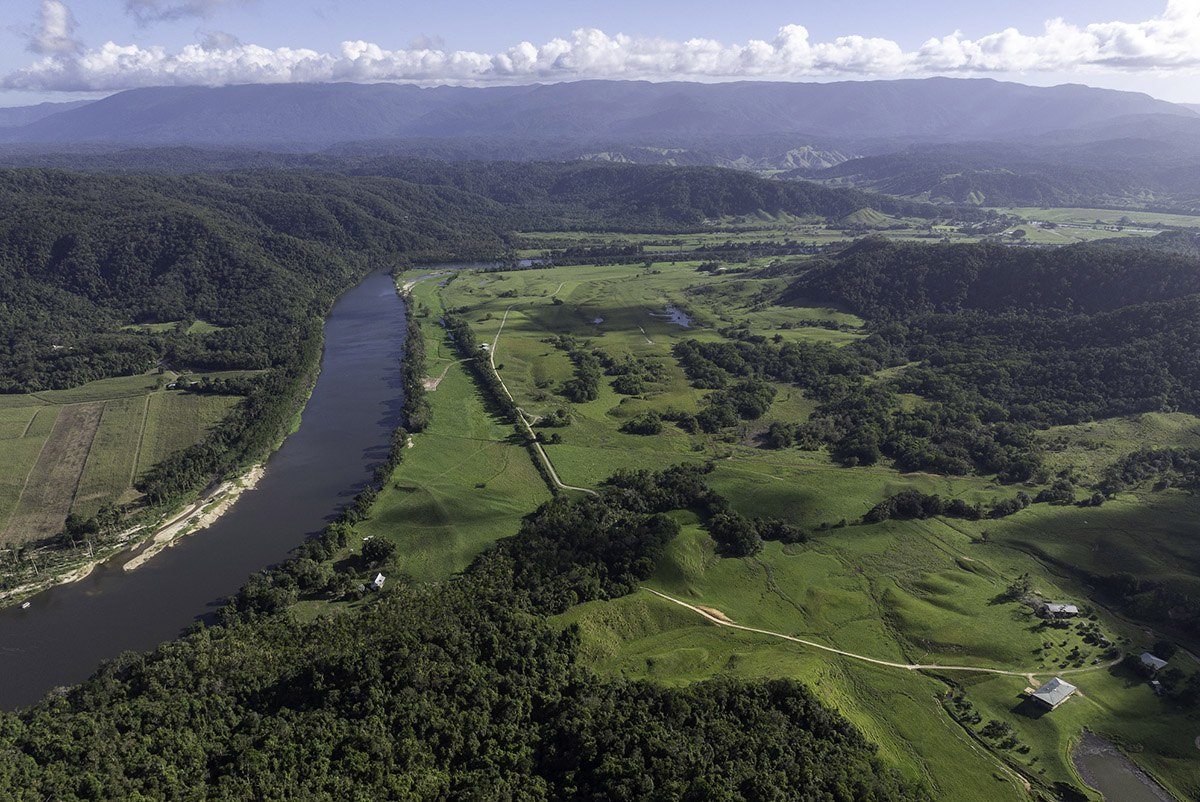 The Daintree River Passing through Farmland
Cultural Heritage and Community Leadership
The Wet Tropics Management Authority recognises that many wetlands hold profound cultural significance for Traditional Owners. Under programs like the Wet Tropics Bama Plan, restoration efforts increasingly integrate Indigenous ecological knowledge:
- Traditional Owner-led management of culturally important landscapes
- Cultural practice revival including seasonal burning and bush food cultivation
- Indigenous ranger employment through partnerships with the North Queensland Natural Resource Management Alliance
- Intergenerational knowledge transfer strengthening both cultural and ecological understanding
Policy-Backed Success Stories
Across the Wet Tropics, innovative partnerships backed by robust policy frameworks are demonstrating wetland buffer restoration success:
Federal Leadership: The Environment Protection and Biodiversity Conservation Act identifies wetland restoration as directly protecting matters of national environmental significance, while the Reef 2050 Plan prioritises buffer restoration with dedicated funding streams.
State Implementation: Queensland's Environmental Protection Act establishes clear water quality objectives, whilst the Water Act promotes land-based solutions through Water Plans for major catchments like the Barron, Johnstone, Herbert, and Tully Rivers.
Regional Action: Terrain NRM's Wet Tropics Water Quality Improvement Plan identifies priority sub-catchments and supports nature-based solutions through science-based, regionally-tailored programs like Paddock to Reef monitoring.
Community Delivery: Landcare groups and Indigenous ranger programs implement on-ground works including wetland rehydration, revegetation, and gully control, with early monitoring showing declining nutrient levels in priority catchments.
Investment That Works for Everyone
Wetland buffer restoration represents a legally-supported, policy-aligned intervention that delivers exceptional value. Instead of expensive technological fixes, we're working with natural systems to address pollution at its source whilst creating multiple community benefits.
This integrated approach simultaneously delivers:
- Reef protection through dramatically improved water quality meeting legislative requirements
- Agricultural sustainability via natural resource conservation and productivity improvements
- Biodiversity conservation supporting threatened species recovery under federal and state acts
- Cultural preservation through Traditional Owner-led land management
- Economic opportunity through government incentives and market recognition
Landscapes That Benefit Everyone
Wetland buffer restoration proves that environmental protection and agricultural productivity strengthen each other when supported by smart policy. By restoring these natural systems, we're creating landscapes that support both productive farming communities and healthy reef ecosystems.
This evidence-based model addresses multiple legislative requirements simultaneously: water quality improvement, biodiversity conservation, agricultural sustainability, cultural preservation, and climate adaptation. It's conservation that empowers communities through policy support rather than restricting them through regulation.
Take Action
Whether you're a rural landholder, community member, or policy advocate, multiple pathways exist to support wetland buffer restoration:
For Landholders: Contact Terrain NRM about Queensland Reef Water Quality Program funding, Landcare support, and conservation agreement opportunities under state legislation.
For Communities: Participate in restoration projects, support organisations working on catchment health, and advocate for strong implementation of existing water quality policies.
For Everyone: Choose products from certified sustainable farms and support politicians who prioritise both agricultural productivity and environmental stewardship.
The Great Barrier Reef's future depends on implementing the policy frameworks we already have whilst healing the landscapes that feed into it. Wetland buffer restoration offers a practical, legally-supported pathway to create resilient rural landscapes that support both thriving agriculture and healthy reef ecosystems.
Learn more about wetland buffer restoration opportunities through Terrain NRM, local Landcare groups, or the Queensland Reef Water Quality Program's funding initiatives for rural landholders.