A Key to Saving the Great Barrier Reef
When we think about saving the Great Barrier Reef, our minds naturally turn to the ocean—coral bleaching, rising temperatures, marine pollution. But some of the most powerful actions we can take to protect this natural wonder happen far from the sea, along the banks of rivers and creeks that eventually flow into the Coral Sea.
Part of the solution lies in restoring riparian habitats—the vegetated corridors that line our waterways. These green lifelines are key to improving water quality, supporting biodiversity, and building the reef's resilience for the future.
The Hidden Connection: From Riverbank to Reef
Riparian zones are the vegetated strips of land running alongside rivers, creeks, and streams. In the Great Barrier Reef catchment—a massive area spanning more than 400,000 square kilometres—these green corridors act as vital buffers between land and water.
Think of them as nature's filtration system. When healthy, they trap sediment, absorb nutrients, and prevent pollutants from reaching the reef. When degraded or cleared, they become pathways for the very pollutants that threaten coral health.
Decades of agricultural expansion, grazing, urban development, and invasive species have stripped away much of this protective vegetation. The result? Sediment and nutrient pollution flowing downstream with devastating consequences for marine ecosystems.
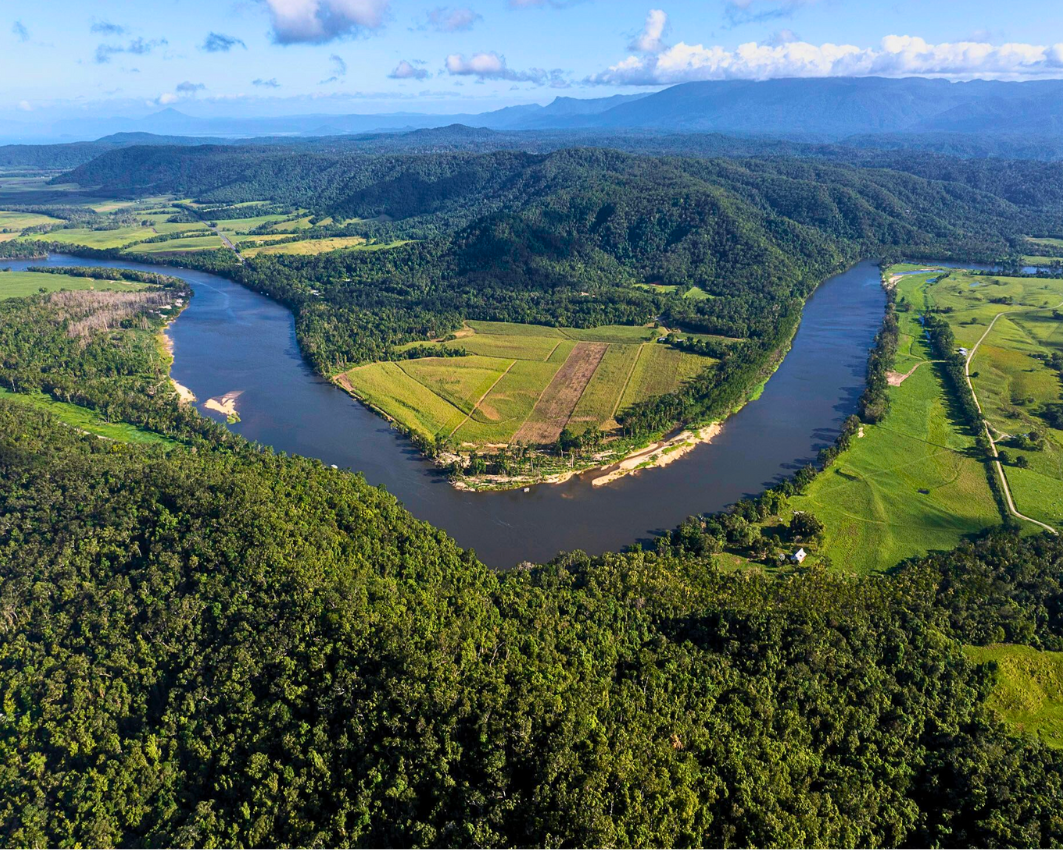
Daintree River, part of the Great Barrier Reef catchment.
How Riparian Restoration Helps Protect the Reef
Nature's Water Treatment Plant
Poor water quality ranks amongst the greatest threats to the Great Barrier Reef, especially during the wet season when runoff carries sediment, nutrients, and pesticides downstream. Healthy riparian zones function like a sophisticated water treatment facility:
- Root systems stabilise soil, preventing bank erosion and sediment loss
- Vegetation acts as a filter, trapping particles before they enter waterways
- Plant uptake removes excess nitrogen and phosphorus—the primary drivers of harmful algal blooms
The numbers speak for themselves: riparian buffers can reduce sediment loads by up to 80% and significantly cut nutrient runoff. This directly translates to healthier corals and enhanced reef recovery from bleaching events.
Biodiversity Hotspots That Strengthen Ecosystems
Riparian zones aren't just filters—they're biodiversity powerhouses. These areas provide:
- Critical breeding and feeding grounds for native fish, frogs, and aquatic insects
- Thermal refuges through shade and cooler water temperatures
- Wildlife corridors that allow species to move safely through fragmented landscapes
By restoring these habitats, we create a domino effect of ecological benefits that ripple from inland waterways all the way to the reef.
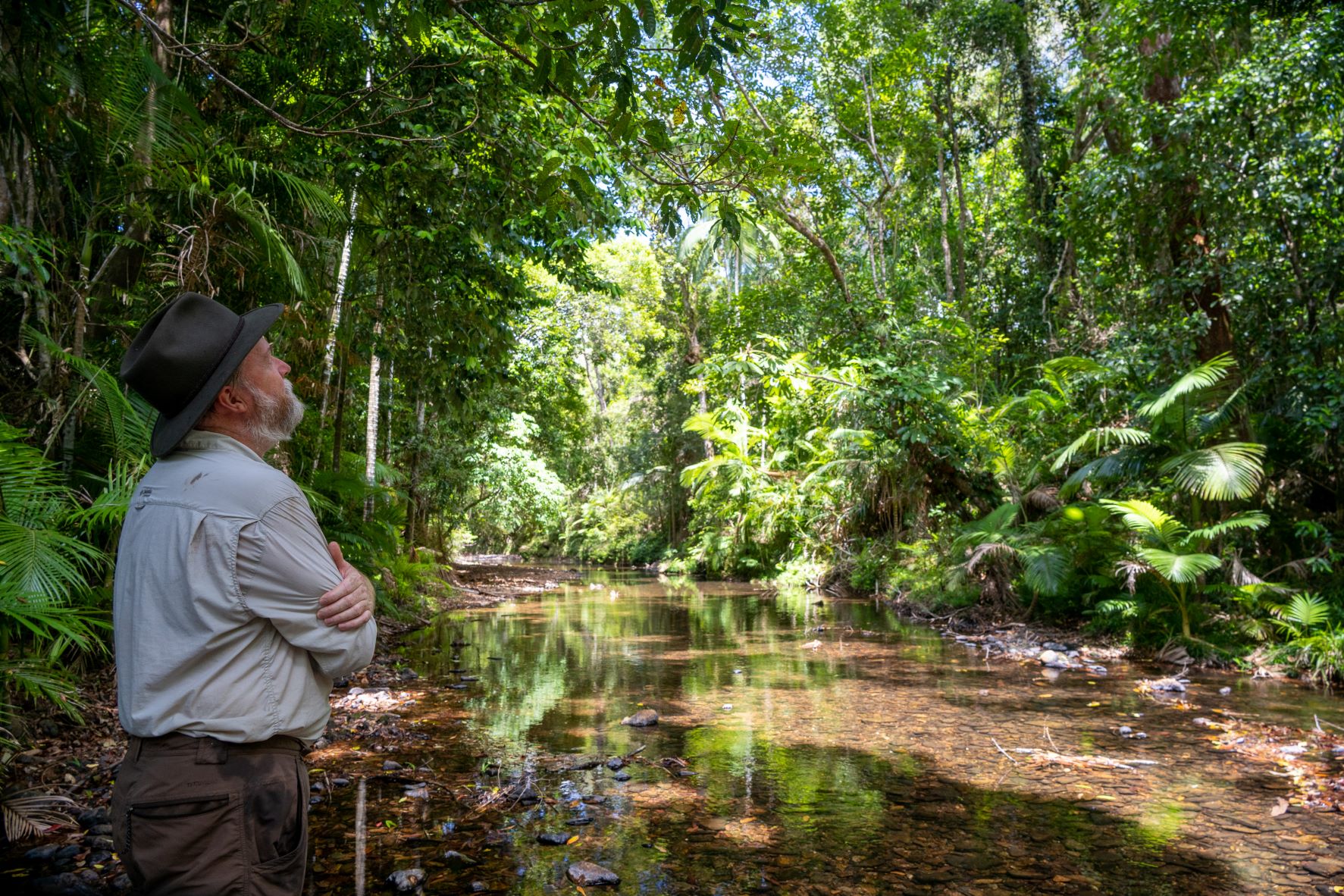 The Daintree rainforest meets beautiful Hutchinsons Creek.
Climate Resilience for a Changing World
As climate change intensifies, riparian restoration offers multiple lines of defence:
- Carbon storage in trees, shrubs, and soils helps mitigate emissions
- Temperature regulation through shading provides refuges for heat-sensitive species
- Flood and drought buffer as healthy vegetation absorbs runoff and maintains water flow during dry periods
This natural resilience becomes increasingly valuable as extreme weather events grow more frequent and severe.
Supporting Communities & Culture
Riparian restoration creates benefits that extend far beyond environmental outcomes. For agricultural communities, restored waterways mean:
- Reduced soil loss and improved long-term productivity
- Better water availability and pasture quality for livestock
- Enhanced property values and sustainable land management
For Aboriginal and Torres Strait Islander communities, these landscapes hold deep cultural and spiritual significance. Restoration efforts:
- Support Traditional Owner-led conservation and land management practices
- Revitalise access to cultural heritage sites and bush tucker resources
- Create employment opportunities in environmental management and cultural tourism
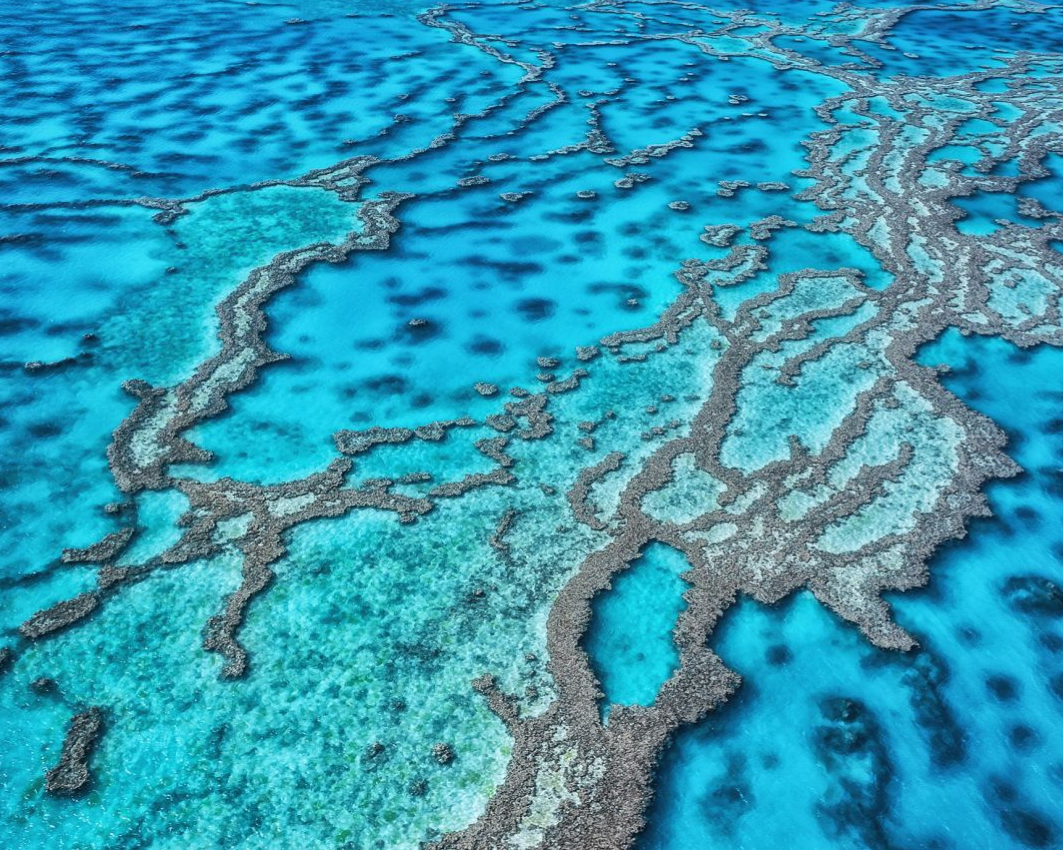 Great Barrier Reef
Image credit: Commonwealth of Australia (Reef Authority)
Proven Success in Action
Across the Great Barrier Reef catchment, restoration efforts are already delivering measurable results:
The Reef 2050 Water Quality Improvement Plan have prioritised riparian revegetation as a key intervention. Natural Resource Management groups like Terrain NRM and Fitzroy Basin Association partner with landholders to fence waterways, plant native species, and monitor water quality improvements.
Community-led Landcare groups and Indigenous ranger programmes are restoring thousands of kilometres of stream banks, with monitoring showing declining sediment and nutrient levels in key catchments.
The Smart Investment Approach
Riparian restoration represents one of the most cost-effective strategies for reef protection. Rather than treating symptoms in the marine environment, we're addressing root causes on land—preventing pollution at its source whilst creating multiple co-benefits for communities, agriculture, and biodiversity.
This isn't just environmental protection—it's a strategic investment in:
- Long-term reef health through improved water quality
- Sustainable agriculture via soil conservation and water management
- Community resilience through diversified income streams and cultural connection
- Climate adaptation through natural infrastructure
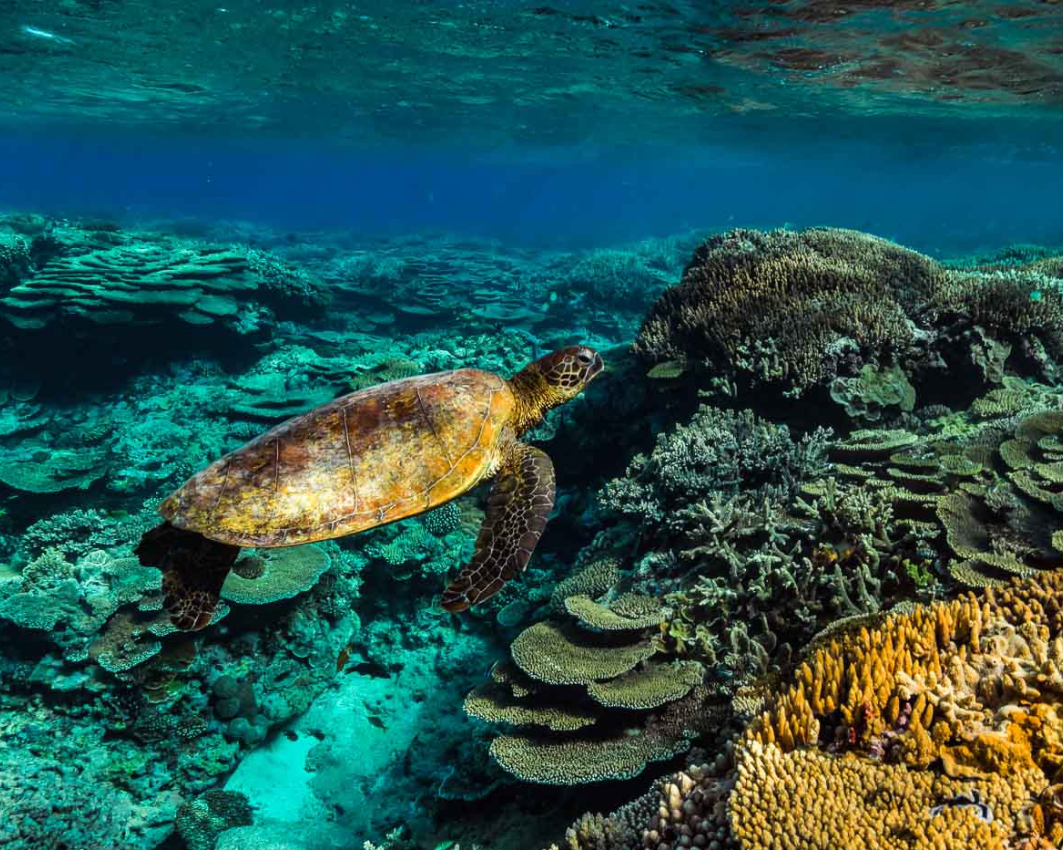 Green Sea Turtle - Great Barrier Reef
Image credit: Commonwealth of Australia (Reef Authority)
A Model for Integrated Conservation
The connection between terrestrial restoration and marine conservation demonstrates the power of thinking beyond traditional boundaries. The Great Barrier Reef isn't just a marine ecosystem—it's the downstream endpoint of an enormous terrestrial catchment.
By restoring the green corridors that connect land and sea, we're creating a model for integrated conservation that addresses multiple challenges simultaneously: water quality, biodiversity loss, climate change, and community wellbeing.
Your Role in the Solution
Riparian restoration succeeds through collective action. Whether you're a landholder implementing better management practices, a volunteer participating in tree planting events, or a supporter funding riparian rehabilitation and restoration projects, every contribution matters.
The health of the Great Barrier Reef depends not just on what happens in the ocean, but on the thousands of streams, creeks, and rivers that flow towards it. By restoring these vital corridors, we're building the reef's capacity to withstand future challenges whilst supporting thriving communities and ecosystems across the catchment.
This is conservation that works with natural systems rather than against them. Protecting one of the world's most precious ecosystems by healing the landscapes that sustain it.